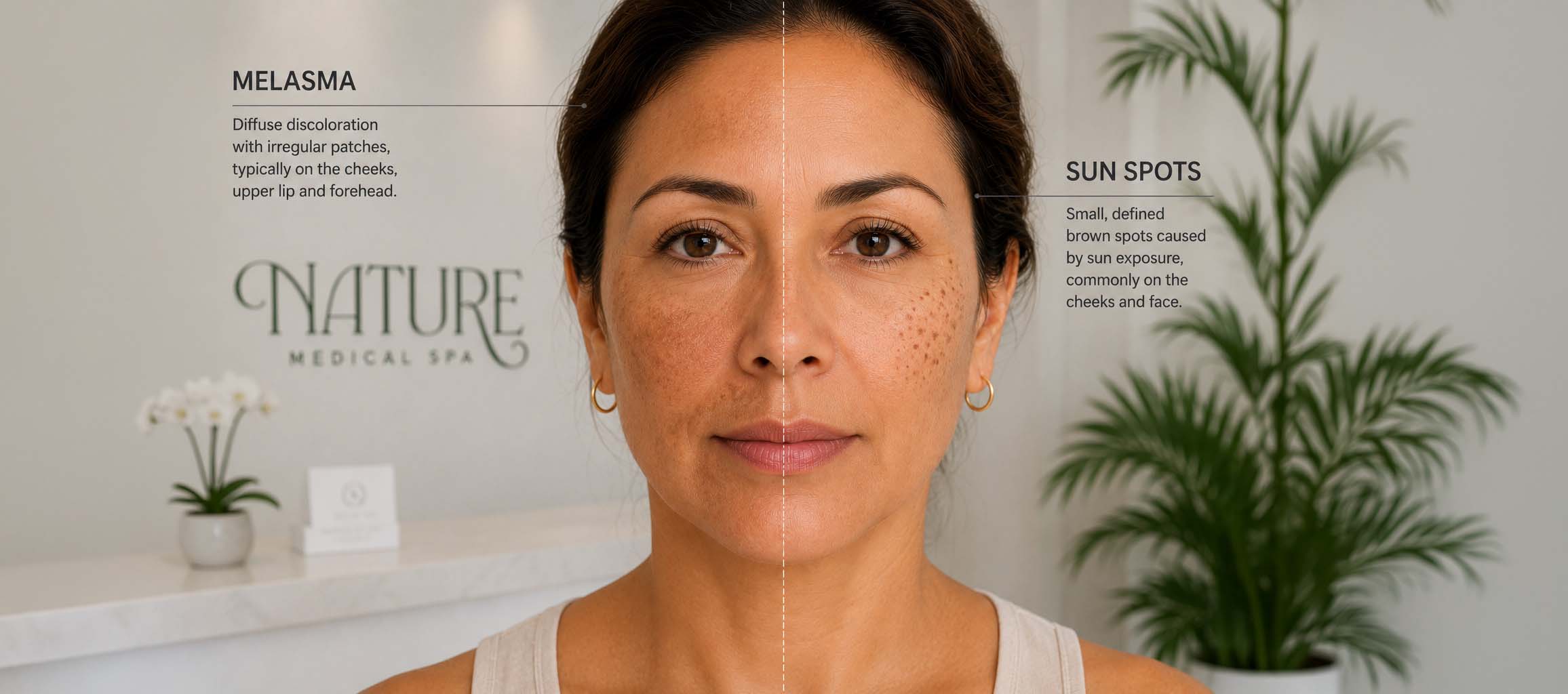

Melasma is one of the most challenging pigmentation conditions to treat because it is influenced by more than sun exposure alone. Hormones, genetics, inflammation, and even heat can all contribute to its development.
Many patients wonder whether laser treatments are the answer. The reality is that not every laser is appropriate for every type of pigmentation.
Q-Switched Laser technology has become an important option for selected pigmentation concerns because it delivers extremely short, high-energy pulses that specifically target excess melanin while minimizing thermal damage to surrounding tissue.
At Nature MedSpa, treatment decisions are based on a detailed skin evaluation rather than a one-size-fits-all approach. Understanding the type of pigmentation, its depth, and your skin characteristics helps determine whether Q-Switched Laser may be an appropriate option.
Table of Contents
- What Is a Q-Switched Laser?
- How Does It Work?
- What Skin Concerns Can It Treat?
- Is It Safe for Melasma?
- Benefits of Q-Switched Laser
- What Happens During Treatment?
- Recovery & Aftercare
- Who Is a Good Candidate?
- Frequently Asked Questions
What Is a Q-Switched Laser?
A Q-Switched Laser is an advanced laser technology that delivers extremely short pulses of high-energy light measured in nanoseconds.
Unlike resurfacing lasers that remove layers of skin, Q-Switched lasers are designed to selectively target pigment within the skin.
The laser energy is absorbed by melanin, causing pigment particles to fragment into smaller pieces. These fragments are then naturally cleared by the body’s immune system over time.
Because the surrounding tissue absorbs much less energy, recovery is generally shorter than with ablative resurfacing procedures.
How Does a Q-Switched Laser Work?
This treatment is based on the principle of selective photothermolysis, allowing the laser to focus primarily on pigment rather than healthy surrounding tissue.
The laser produces high-energy pulses that:
- Target excess melanin
- Break pigment into microscopic particles
- Minimize heat diffusion
- Preserve surrounding skin
- Support gradual improvement as the body clears fragmented pigment
Because different pigmentation conditions respond differently, treatment settings are always customized.
What Skin Concerns Can It Treat?
Depending on clinical evaluation, Q-Switched Laser may be considered for:
- Sun spots (solar lentigines)
- Age spots
- Freckles
- Certain benign pigmented lesions
- Selected cases of melasma
- Uneven skin tone
- Hyperpigmentation caused by sun damage
- Tattoo removal (using appropriate wavelengths and protocols)
Treatment suitability depends on the diagnosis, skin type, and medical history.
Is It Safe for Melasma?
This is one of the most common questions patients ask.
The answer is it depends.
Melasma is a chronic condition influenced by multiple factors, and no laser should be considered a universal solution.
In carefully selected patients, low-fluence Q-Switched protocols may be incorporated into a comprehensive treatment plan that also includes:
- Medical skincare
- Strict sun protection
- Trigger management
- Follow-up evaluations
The goal is not only to improve visible pigmentation but also to help reduce recurrence through long-term skin management.
Benefits of Q-Switched Laser
Potential benefits include:
✔ Precise pigment targeting
✔ Minimal injury to surrounding tissue
✔ Little to no downtime for many patients
✔ Improvement of selected pigment concerns
✔ More even-looking skin tone
✔ Can complement other skin rejuvenation treatments
What Happens During Treatment?
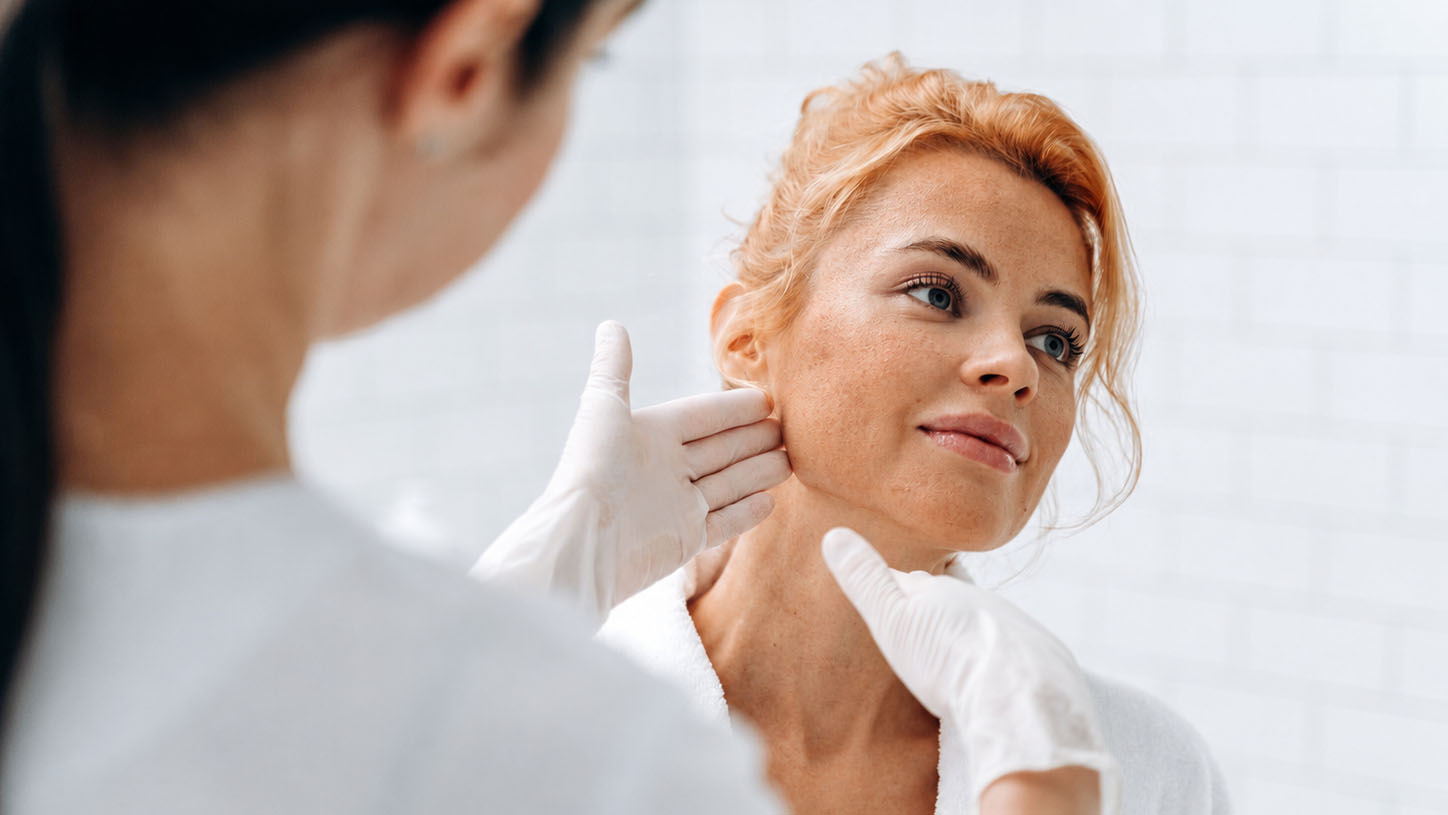
During your consultation, your provider evaluates:
- Skin type
- Pigmentation pattern
- Medical history
- Previous treatments
- Sun exposure habits
- Melasma history
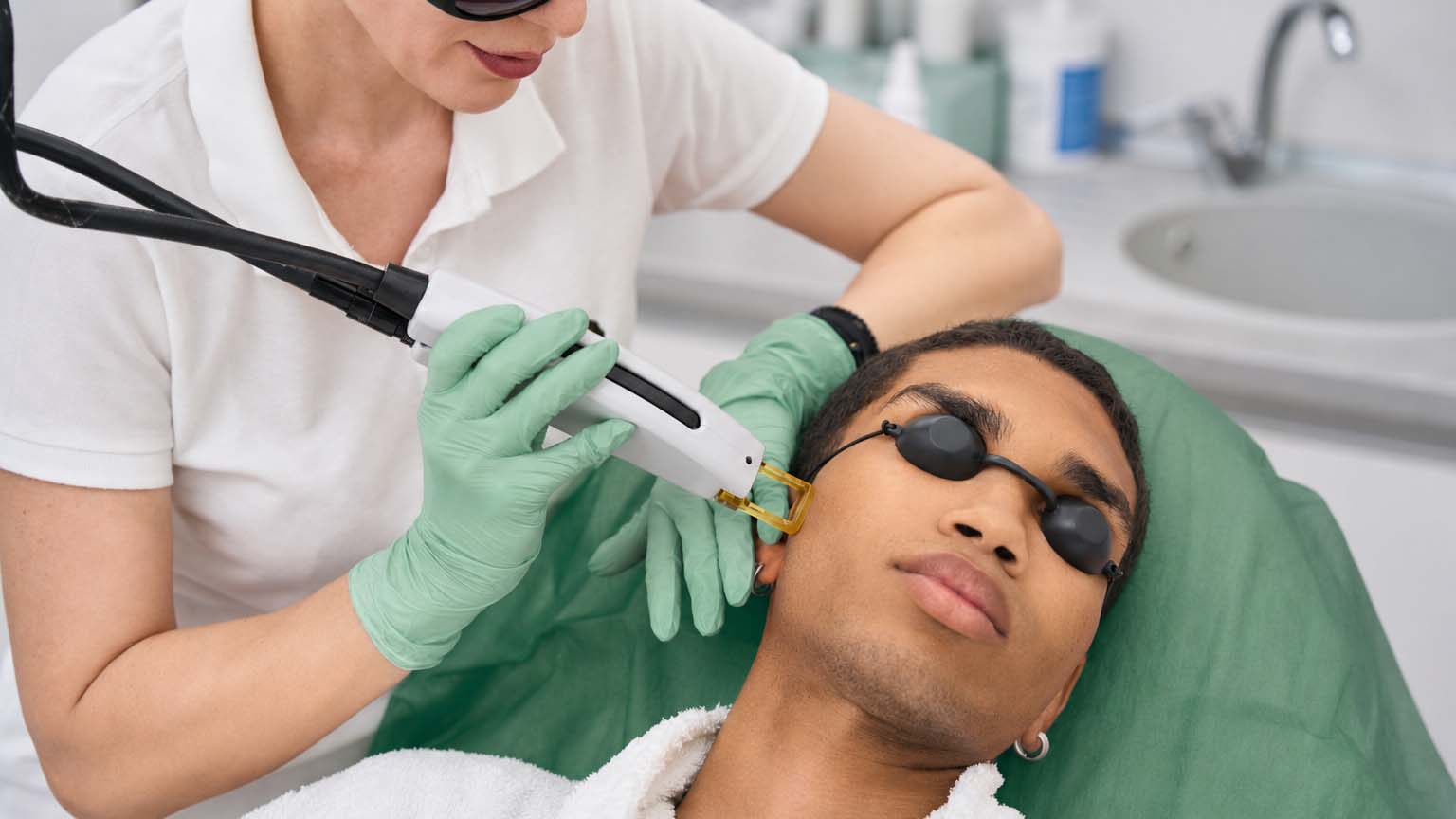
The skin is cleansed, and protective eyewear is provided.
During treatment, patients often describe a quick snapping sensation as the laser delivers short pulses across the treatment area.
Session length varies depending on the area being treated.
Recovery & Aftercare
Recovery is generally mild compared with ablative laser procedures.
Some patients experience:
- Mild redness
- Temporary warmth
- Slight swelling
- Darkening of treated pigment before gradual fading
Aftercare recommendations typically include:
✔ Daily broad-spectrum sunscreen
✔ Gentle skincare
✔ Avoid unnecessary heat exposure
✔ Follow personalized post-treatment instructions
Who Is a Good Candidate?
You may be a candidate if you:
- Have sun spots or age spots
- Have selected pigmentation concerns
- Maintain realistic expectations
- Can commit to sun protection
- Complete a professional skin evaluation before treatment
Q-Switched Laser vs. CO₂ Laser
Although both are laser technologies, they serve different purposes.
Q-Switched Laser primarily targets pigment.
CO₂ Laser Resurfacing focuses on skin texture, collagen remodeling, fine lines, and photoaging.
For many patients, choosing between the two depends on whether pigmentation or overall skin rejuvenation is the primary concern.
Why Professional Diagnosis Matters
Pigmentation disorders often look similar but behave differently.
Treating melasma exactly like a sun spot may not produce the desired results.
At Nature MedSpa, treatment planning begins with identifying:
- Pigmentation type
- Skin characteristics
- Treatment goals
- Long-term maintenance strategy
Frequently Asked Questions
Does Q-Switched Laser remove melasma permanently?
Melasma is considered a chronic condition. Treatment focuses on improving its appearance and helping manage recurrence rather than providing a permanent cure.
Is the treatment painful?
Most patients describe mild snapping sensations that are brief and well tolerated.
How many sessions are needed?
The number of sessions depends on the type of pigmentation, skin response, and treatment plan.
Is there downtime?
Many patients experience minimal downtime, although temporary redness or pigment darkening may occur.
Can I return to work?
Most patients resume normal daily activities shortly after treatment, following their provider’s aftercare instructions.
Conclusion
Q-Switched Laser technology offers a precise and effective approach for many pigmentation concerns by selectively targeting excess melanin while preserving surrounding tissue.
However, successful treatment begins with an accurate diagnosis. Conditions such as melasma, sun spots, and other forms of hyperpigmentation require individualized treatment strategies rather than a single universal solution.
At Nature MedSpa, every patient receives a personalized evaluation to determine the safest and most effective approach based on skin type, pigmentation pattern, and long-term goals.
Ready to Treat Unwanted Pigmentation?
Schedule your personalized consultation with Nature MedSpa to learn whether Q-Switched Laser is the right option for your skin.
📞 (305) 306-8626
💬 WhatsApp: (305) 482-3823